What Still Lights Me Up?
-
![Vision Boards]()
Creative Expersion
The act of exploring ideas, emotions, and imagination through activities like art, music, writing, or crafts. It provides an outlet for self-discovery, reduces stress, and sparks joy, while also helping people stay mentally sharp and emotionally connected.
-
![A person practicing yoga outdoors on a wooden deck at sunrise or sunset, sitting in a lotus position with hands resting on knees in a meditation pose, with palm trees in the background.]()
Mindful Movement
Gentle activities like stretching, walking, or yoga done with attention to breath and body sensations. This practice helps release tension, reduce stress, and bring emotions back into balance.
-
![Check-In Buddy]()
Nature Walk
Mindful strolls outdoors that encourage slowing down, noticing the sights, sounds, and textures of the natural world. By walking with intention—pausing to breathe deeply, listen to birds, or observe the trees—you can reduce stress, improve mood, and feel more grounded and connected to your environment.


What I Miss, What I Cherish.
-
![Vision Boards]()
Keepsake Show & Tell
Participants bring an item that holds special meaning—such as a photograph, piece of jewelry, or memento—and share the story behind it. This activity encourages storytelling, connection, and honoring the tangible reminders of what matters most.
-
![A person practicing yoga outdoors on a wooden deck at sunrise or sunset, sitting in a lotus position with hands resting on knees in a meditation pose, with palm trees in the background.]()
Cherished Music Playlist
Older adults select songs that remind them of happy times, meaningful relationships, or cherished memories. They can listen, share the stories behind their choices, or even create a group playlist. Music often sparks nostalgia and provides a powerful way to reconnect with cherished moments.
-
![Check-In Buddy]()
“Letter of Gratitude”
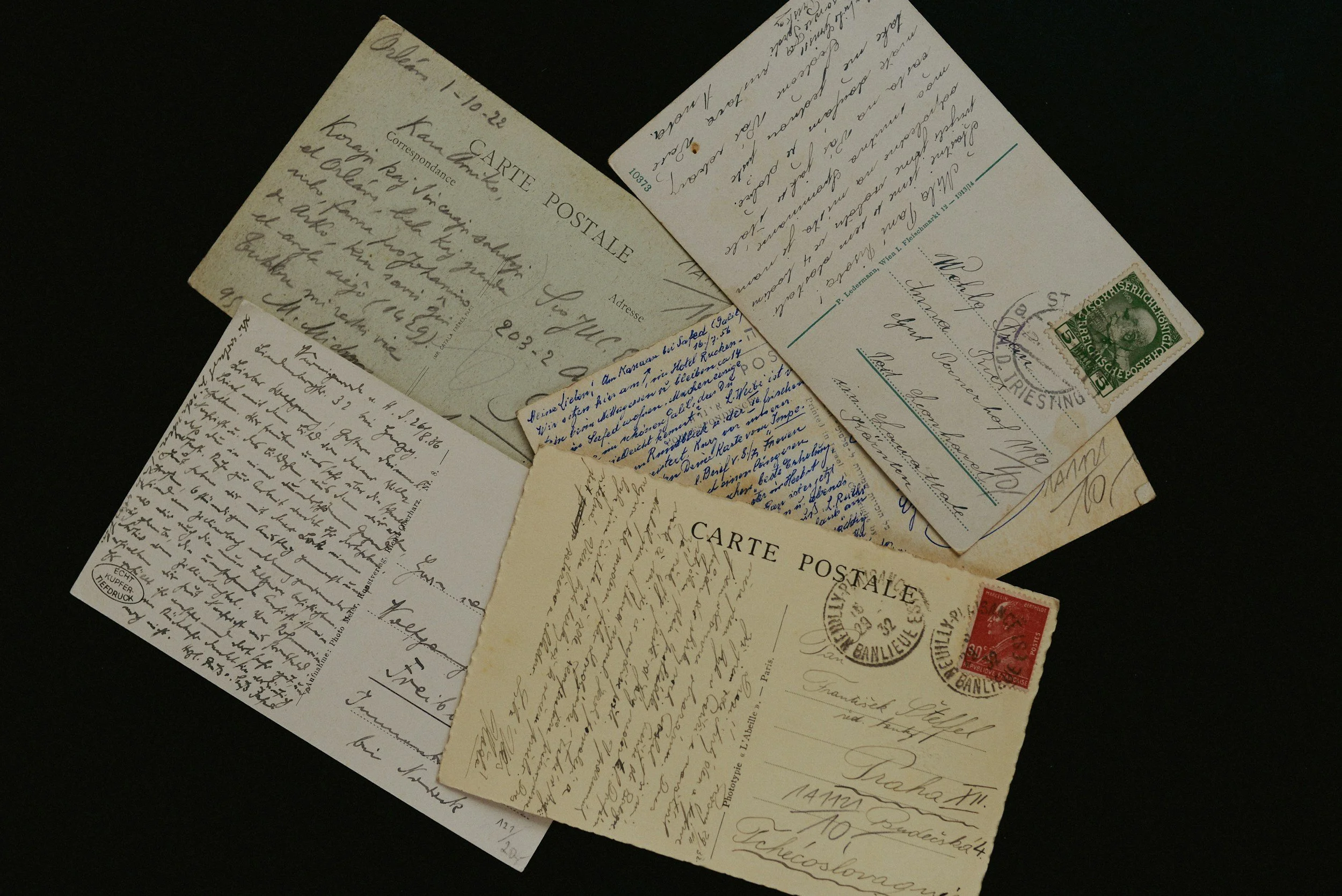
Participants write a letter to a person (past or present) who represents something they cherish. Even if the letter is never sent, the act of writing fosters gratitude and appreciation while honoring the role others have played in their lives.
-
![]()
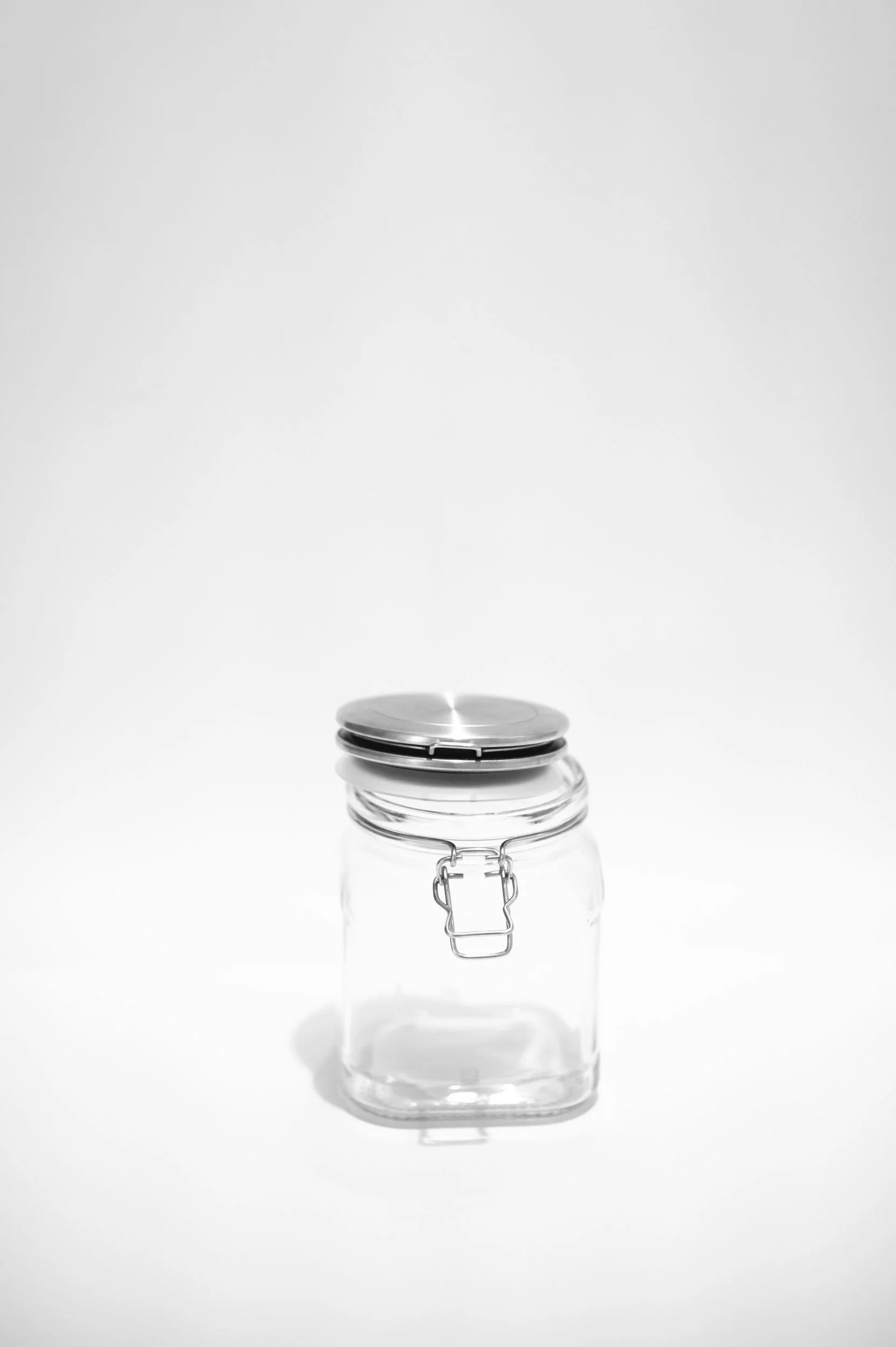
Cherish Jar
Participants write down small memories, moments, or people they cherish on slips of paper and collect them in a jar. Over time, they can add new reflections and revisit old ones, creating a growing collection of gratitude and remembrance.
-
![]()
Story Circle
In a group setting, participants take turns sharing a short story about something they miss and something they still cherish. The circle fosters connection, active listening, and respect, while showing how shared memories can spark community and understanding.
-
![]()
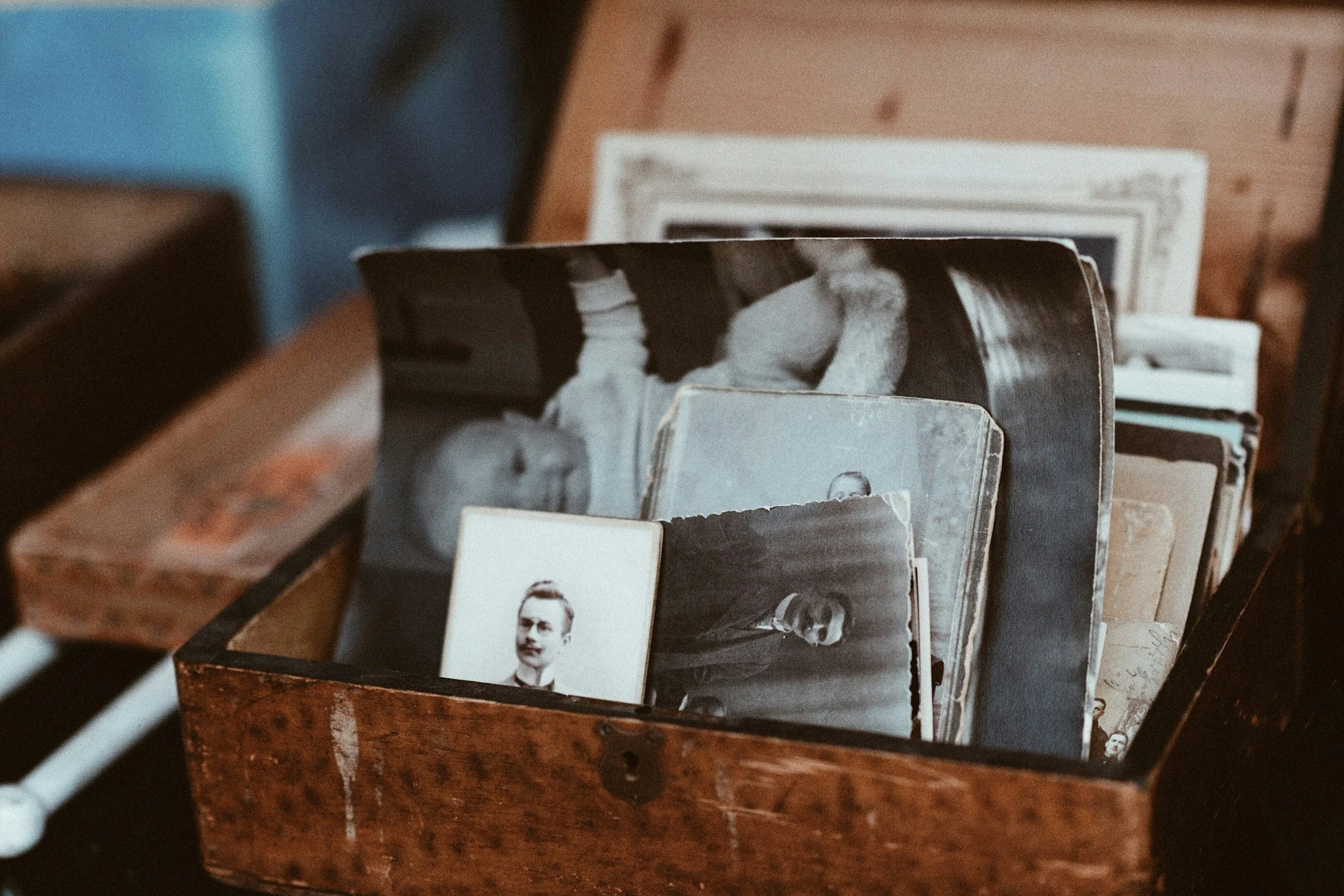
Photo Reflection
Older adults look through old photo albums or digital collections and select a few photos that represent cherished times or people. They reflect on the memories connected to each photo and share them with others or journal about their significance.



Building a Retirement Routine
-
![Vision Boards]()
Volunteer or Community Contribution
Explore opportunities to give back to the community through volunteering, mentoring, or helping local organizations. Contributing to others fosters purpose, strengthens social connections, and can add meaningful structure to retirement life.
-
![A person practicing yoga outdoors on a wooden deck at sunrise or sunset, sitting in a lotus position with hands resting on knees in a meditation pose, with palm trees in the background.]()
Try Something New
Commit to exploring one new activity, hobby, or experience each month, and track it in a routine calendar. Trying new things keeps life exciting, encourages personal growth, and helps retirees expand social and intellectual horizons.
-
![Check-In Buddy]()
Daily Schedule
Participants create a visual or written schedule for their day or week, including essential activities like meals and rest, as well as personal interests, hobbies, and social interactions. Mapping out a routine helps provide structure, reduces decision fatigue, and creates a sense of purpose in retirement.
-
![]()
Meal Planning & Cooking Routine
Create a weekly meal plan and schedule cooking times to encourage healthy eating habits. Preparing meals can become both a structured activity and a creative outlet, while promoting nutrition and independence.



Celebrating Daily Joys
-
![Vision Boards]()
Snapshot of Joy
Take or draw a picture that represents something joyful from your day — a smile, a meal, a view, or a quiet moment. Share it with the group or keep it in a “joy collection.”
-
![A person practicing yoga outdoors on a wooden deck at sunrise or sunset, sitting in a lotus position with hands resting on knees in a meditation pose, with palm trees in the background.]()
Acts of Kindness
Do one small act of kindness or creativity that brings joy to yourself or someone else — sending a kind message, cooking a favorite meal, or sharing laughter.
-
![Check-In Buddy]()
Five Senses of Joy
List something joyful for each of your five senses — something you love to see, hear, taste, touch, and smell. This helps ground joy in the present moment.
-
![]()
My Joy Recipe
Have participants write their personal “recipe for joy,” listing key ingredients like gratitude, music, time outdoors, or laughter — and instructions for mixing them daily. Share and compare joyful “recipes.”


Coping with Grief in Nature
-
![Vision Boards]()
Memory Garden
Plant a small garden, flower pot, or even a single plant in memory of someone loved. Each bloom can symbolize a cherished memory or a quality that person embodied.
-
![A person practicing yoga outdoors on a wooden deck at sunrise or sunset, sitting in a lotus position with hands resting on knees in a meditation pose, with palm trees in the background.]()
Sunrise or Sunset Ritual
Watch the sun rise or set while reflecting on the cycle of endings and beginnings.
You might want to try these morning and night routines -
![Check-In Buddy]()
Remembrance Bench or Space
Create a personal reflection spot — a bench, chair, or quiet area outdoors where you can visit when missing your loved one.
-
![]()
Nature Photography for Healing
Nature photography is a creative coping skill that encourages mindfulness, relaxation, and emotional expression. By capturing images of trees, flowers, skies, or landscapes, individuals focus on the present moment, reduce stress, and discover beauty in their surroundings. This activity combines creativity with mental health benefits, making it a restorative self-care practice.
-
![]()
Letter to Someone Who Has Passed Away
Writing a letter to someone who has passed away helps bring unspoken thoughts, love, or questions into the open. It gives shape to emotions that often stay silent, creating a bridge between memory and healing.
This exercise offers a safe way to express gratitude, sorrow, forgiveness, or closure — not to erase grief, but to honor the relationship in a gentle, meaningful way.